Buying an Air Conditioner in Buderim: What You Need to Know
Buderim sits on the Sunshine Coast hinterland, and its climate differs from the coastal strip just a few kilometres away. Summers are warm and humid, winters are mild but can turn cool in the evenings, and the elevated position means many homes catch afternoon sun and sea breezes in equal measure. Choosing the right air conditioner for these conditions takes more than picking the cheapest unit on the shelf. This guide covers what Buderim homeowners should consider before buying, from system types and sizing to energy efficiency, installation and ongoing care.
Understanding Buderim's Climate and Why It Matters
Buderim's subtropical climate means your air conditioner has two jobs: cooling and dehumidifying in summer, and gentle heating in winter. Humidity is often the biggest comfort factor, so a system that removes moisture effectively will feel better than one that simply lowers the temperature.
Many Buderim properties are built on sloping blocks, with split-level layouts, large decks, louvre windows and high ceilings. Some homes enjoy elevated views and breezes, while others, especially those with west-facing living areas, absorb strong afternoon heat. These features all affect which system suits your home and how large it needs to be.
Types of Air Conditioners to Consider
Split System Air Conditioners
Split systems are the most popular choice in Buderim. They consist of an indoor wall-mounted unit and an outdoor compressor, connected by refrigerant piping. They are efficient, quiet and ideal for cooling a single room or open-plan living area. Most modern split systems are reverse-cycle, meaning they provide both cooling and heating.
Multi-Split Systems
A multi-split uses one outdoor unit connected to several indoor units. This suits homes where outdoor space is limited or where council or body corporate rules restrict the number of external units. It is also tidier on a property where the visual appearance of the exterior matters.
Ducted Air Conditioning
Ducted systems cool or heat multiple zones through ceiling or underfloor vents. They are well suited to larger homes and new builds, offering discreet, whole-home comfort. Zoning lets you condition only the areas in use, such as bedrooms at night and living spaces during the day. The upfront cost is higher, and installation depends on having adequate roof or subfloor space, which is worth checking on older Buderim homes and those with unusual roof designs.
Portable and Window Units
Portable units offer a short-term solution for renters or small spaces, but they are generally less efficient and noisier than split systems. They can be a stopgap, though they rarely deliver the same comfort or running costs as a properly installed reverse-cycle system.
Getting the Size Right
Sizing is one of the most common areas where buyers go wrong. An undersized unit runs constantly and struggles to keep up on hot days, while an oversized one cycles on and off, which wastes energy and does a poor job of removing humidity. That second problem is especially relevant in a humid area like Buderim.
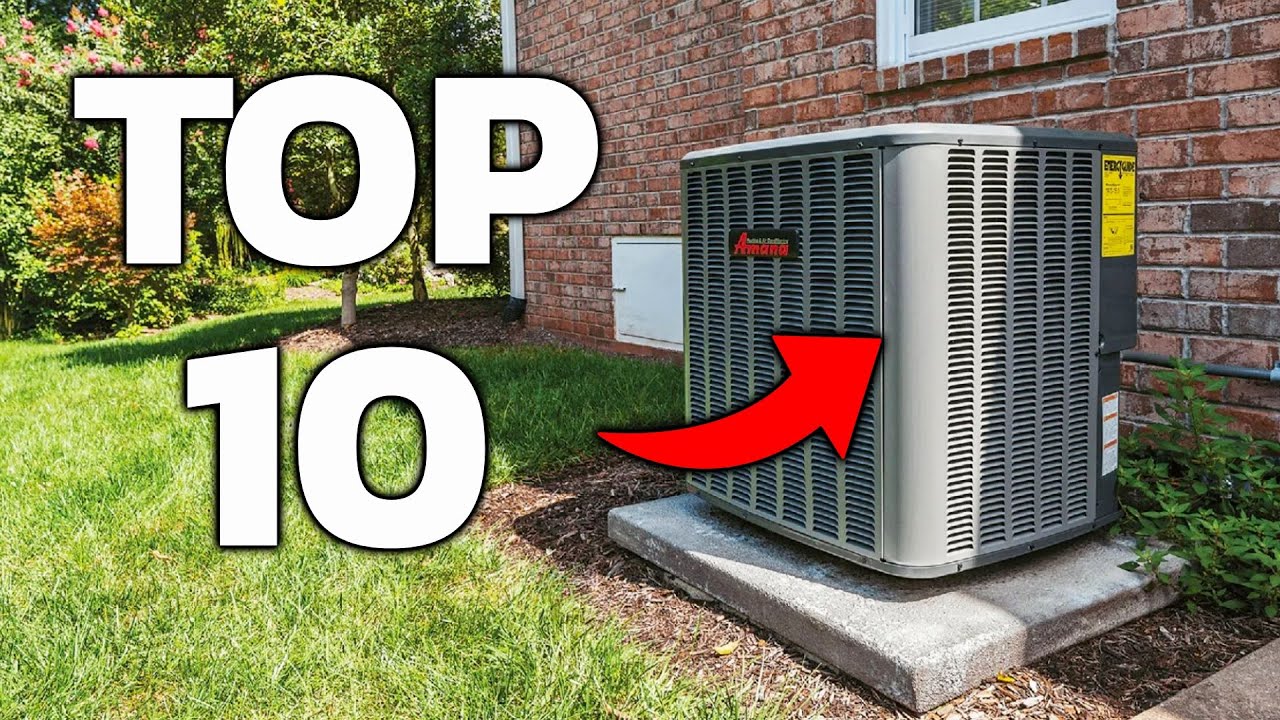
Capacity is measured in kilowatts (kW). As a very rough guide, small bedrooms may need around 2.5 kW, medium living rooms about 5 to 7 kW, and large open-plan spaces 7 kW or more. These figures are only indicative. A proper assessment should account for:
- Room size and ceiling height, particularly in homes with raked or high ceilings
- Window size, orientation and glazing type
- Insulation levels in the roof and walls
- Whether the space is open to other rooms or stairwells
- Sun exposure, especially west-facing walls and decks
- Number of people and heat-generating appliances in the space
A reputable installer will assess your home in person rather than quoting from a floor area alone.
Energy Efficiency and Running Costs
In Australia, air conditioners carry an energy rating label showing star ratings for both cooling and heating. More stars mean greater efficiency, and the label also lists the annual energy consumption estimate. A higher-rated system may cost more upfront but typically saves money over its lifespan, particularly in a climate where cooling is used for much of the year.
Look for inverter technology, which adjusts compressor speed rather than switching fully on and off. Inverter systems maintain steadier temperatures, use less electricity and run more quietly. Check the Zoned Energy Rating Label (ZERL) if it is available for the model, as it indicates performance for specific climate zones and is more https://felixtuip586.yousher.com/5-warning-signs-it-is-time-to-replace-your-old-air-conditioner relevant than a single national figure.
Solar panels pair well with air conditioning. Since cooling demand peaks when the sun is strongest, many Buderim households with rooftop solar can offset a substantial portion of their running costs. If you have solar or are planning to install it, factor this into your system choice and usage habits.
Refrigerants and Current Regulations
The industry continues to move toward lower-impact refrigerants. Many new units now use R32, which has a lower global warming potential than older refrigerants like R410A. Australia is phasing down hydrofluorocarbons under its national obligations, and this will continue to shape the products available in 2026 and beyond into 2027 and the years that follow.
Anyone handling refrigerant in Australia must hold the appropriate ARCtick licence, and installation of split and ducted systems must be done by licensed professionals. Electrical connections must be carried out by a licensed electrician. Always ask to see licence details before agreeing to any work, and be wary of quotes that seem unusually low, as they can signal cut corners.
Features Worth Paying For
Not every feature adds value, but some are particularly useful in Buderim's conditions:
- Dehumidification mode: Helpful on muggy days when the temperature is moderate but the air feels heavy.
- Wi-Fi control: Lets you start cooling on the way home or switch the system off remotely.
- Quality filtration: Useful for reducing dust, pollen and mould spores that can be a concern in humid areas.
- Quiet operation: Check the indoor and outdoor decibel ratings, especially for bedrooms and for outdoor units placed near neighbours.
- Timers and sleep modes: Help manage energy use and comfort overnight.
- Corrosion-resistant coatings: Worth considering for homes where salt air can reach, though most of Buderim is further inland than the beachfront suburbs.
Installation Considerations
Where the system is installed has a large effect on how well it performs. The indoor unit should be positioned so air circulates through the room without blowing directly onto where people sit or sleep. The outdoor unit needs clear airflow around it and should be placed away from bedroom windows and neighbouring properties to limit noise.

Buderim's sloping blocks and varied construction can add complexity. Refrigerant pipe runs, condensate drainage and access to switchboards all affect the job. Homes with limited roof access, steep sites or multi-level designs may need additional time and planning. Ask for a written quote that details the unit model, capacity, pipe length included, electrical work and warranty terms.

Comparing Quotes and Warranties
Get at least two or three quotes and compare more than price. Check that each quote proposes a suitably sized system, includes all installation costs, and clearly states warranty coverage. Manufacturers typically offer warranties of five years or more on parts when installed by an authorised installer, but conditions vary, so read the fine print. Separate workmanship warranties from the installer are also worth asking about.
Consider the brand's availability of local service and replacement parts. A well-known brand with a strong service network can save considerable time and cost if something goes wrong years down the track.
Rebates, Incentives and Finance
Government incentive programs for energy-efficient appliances change from time to time, so check current Queensland and federal offerings before you buy. Some programs support efficient heating and cooling upgrades, and some retailers offer finance options. Always confirm eligibility criteria directly with the relevant program and avoid assuming a rebate is available for a specific model.
Maintenance to Protect Your Investment
Regular maintenance keeps your air conditioner efficient and extends its lifespan. In humid environments, mould and grime can accumulate on indoor coils and filters, affecting both air quality and performance.
- Clean or rinse the indoor filters every few weeks during heavy use.
- Keep the outdoor unit clear of leaves, garden growth and debris.
- Check that the condensate drain is flowing freely and not blocked.
- Have the system professionally serviced at least once a year, ideally before summer.
- Pay attention to unusual noises, odours or reduced cooling, and book a technician early rather than waiting for a breakdown.
Tips for Using Your System Efficiently
Setting your air conditioner to around 24 to 26 degrees in summer offers a good balance of comfort and cost. Each degree lower can noticeably increase energy use. Close curtains or blinds on sun-exposed windows, use ceiling fans to help circulate cool air, and keep doors and windows shut while the system is running. Improving roof insulation and sealing gaps can also reduce the load on your system and may allow you to choose a smaller unit.
Final Thoughts
Buying an air conditioner in Buderim is a decision that affects your comfort and your power bills for a decade or more. Start by understanding your home's layout and heat exposure, choose a system type that suits your needs, and prioritise correct sizing and quality installation over the lowest price. Compare quotes carefully, check licences and warranties, and plan for regular servicing. With the right approach, you can enjoy reliable, efficient comfort through Buderim's humid summers and cooler winter evenings.
Buderim Air Conditioning
Unit 2/106 Burnett St, Buderim QLD 4556
(07) 4158 3332